How deep are the fossil fuel industry’s roots in UK universities? Amid a growing movement for academic transparency and accountability, Solid Sustainability Research is inviting students and staff across the UK to find out and take part in an international research effort.
~~~ UPDATE: due to popular demand we will run an online session, 6pm until 8pm on Thursday 27th November covering most of the methods from these workshops. Sign up here; we will send you the link ~~~
Between 6–12 November, Aaron Pereira and Linda Knoester from Solid Sustainability Research will visit UK universities to run hands-on workshops on how to uncover institutional links with the fossil fuel industry. These workshops are part of an international academic research project into fossil fuel ties of universities by the Climate Accountability Lab (University of Miami), building on work from activists at various universities across different countries.
In September, we gave webinars which explored how academia has been used to delay and distort climate action and how you can help change that (recording available on request). The goal of the upcoming workshops is to give participants the skills they need to support the international Mapping Fossil Ties project in the coming months, or to apply to local efforts to understand and challenge academic ties to health-harming and violent industries (see eg academiccomplicity.eu), and to build stronger connections among researchers, campaigners and allies.
💡 Stipends are available for dedicated researchers, but any level of help is appreciated; from occasional local support to deeper research involvement.
What you’ll learn in the workshop
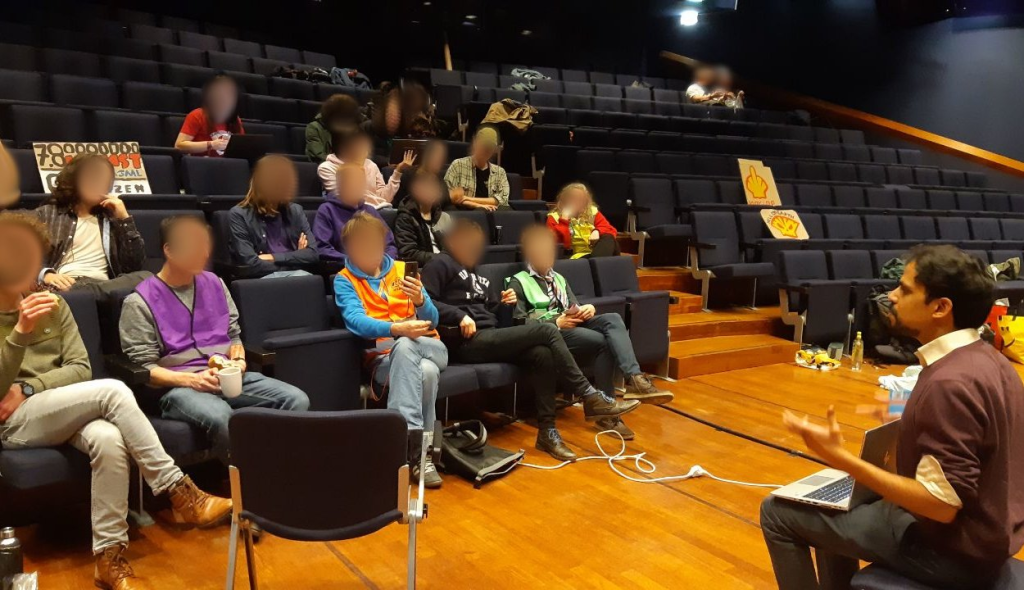
In this 2.5-hour interactive session, you’ll gain practical skills to investigate your university’s fossil ties, including:
- Gathering evidence on campus: what to look for and how to document it
- How to identify and interview key people within your institution
- Using internet archives to find deleted information and keep your links safe
- Understanding how this research supports activists, journalists, and university decision-makers
Optional:
- Using Google Scholar and other databases to trace research grants and collaborations
- How to scrape university websites and interpret your findings
- What you can and can’t find from Freedom of Information requests and how to do them
Sign up!
👉 Want to get involved?
Sign up here to join a workshop at a university near you or ask questions.
Workshop schedule:
- 🔎 New: Thu 27 November (18:00-20:00): online workshop – sign up to receive the link)
- 🔎 Thu 6 November (13:00-14:00): University College London (presentation, not workshop, hybrid – accessible via this link– see blurb below)
- 🔎 Thu 6 Nov (19:00-20:30): University of Cambridge
- 🔎 Fri 7 November (17:30-20:00 potluck): Imperial College London
- 🔎 Mon 10 November (15-17:30): University of Glasgow
- 🔎 Wed 12 November (12-14:30 potluck): Lancaster University
The talk at UCL will be about:
Cut the ties? How campaigns from students and staff led to discussions and policy change around fossil-fuel collaborations at Dutch Universities
Ten out of the 14 universities in the Netherlands have – or are developing – policies restricting or banning collaboration with the fossil fuel industry. How did we get here? Linda Knoester and Aaron Pereira take us through this shift in discourse in Dutch academia in recent years as well as their work with the Mapping Fossil Ties Coalition collecting data on university involvement with fossil fuel companies. They will highlight the effect of student and staff activism, including university occupations in 2022 and 2023, the “moral deliberation chambers”, “deep democracy sessions” and transparency reports organised by universities as an answer to pressure from students and staff, and where the conversation currently stands. The talk will be 45 minutes with a chance to ask questions, and will be hybrid.
Why this matters
Fossil fuel companies often maintain influence in academia through research collaborations, endowed chairs, fellowships, and student society sponsorships. But what does the industry gain from these relationships and how does it influence the climate transition?
Our work in the Netherlands revealed how fossil fuel companies use academic partnerships to stifle criticism, polish their reputation, and shape research agendas and hereby the direction of the climate transition. Following our Mapping Fossil Ties project and efforts from campaigners and activists, 10 of the Netherlands’ 14 universities have introduced policies to limit or ban fossil industry collaborations.
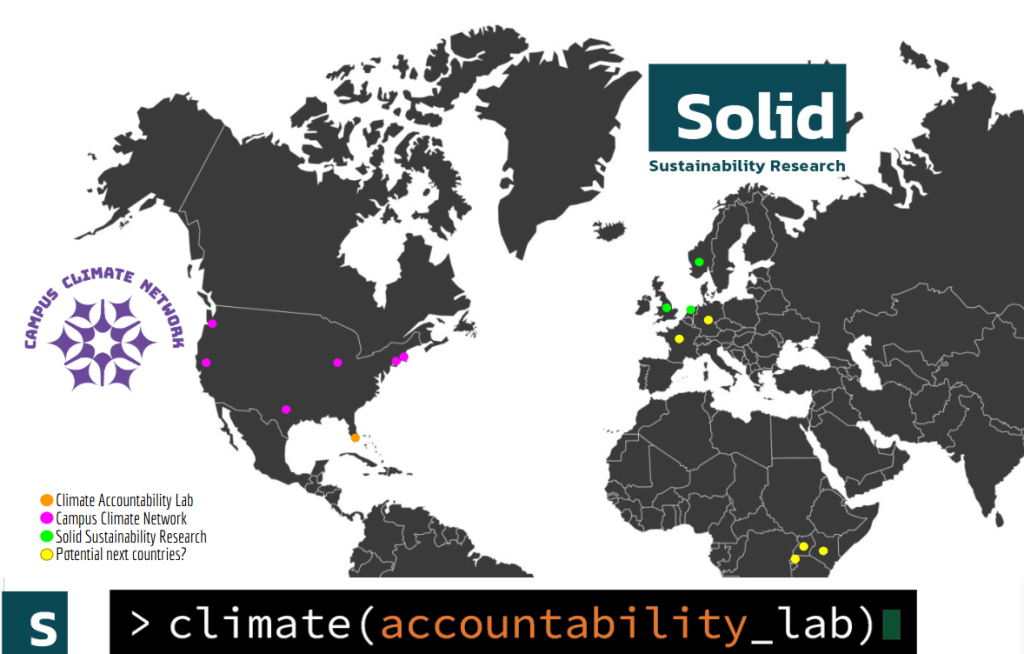
Now, in partnership with the Climate Accountability Lab at the University of Miami, we’re expanding this work to the UK, together with local campaigners, students and researchers. The goal of this academic collaboration is to systematically map and analyse not only financial and formal ties, but also the informal and non-financial connections. The academic methodology and publications will strengthen and substantiate the research done by student and action groups, helping it inform policy, journalism, and institutional change.
Want to submit information about a relationship of a fossil fuel organisation with a university, or its presence there? You can do so via this form: https://framaforms.org/submit-information-about-a-relationship-between-a-university-and-fossil-fuel-organisation-1756296943
About the organisers
Solid Sustainability Research is a small, action-oriented research bureau focused on exposing greenwashing and other forms of climate obstruction. Their work specialises in uncovering the ties between the fossil fuel industry and universities, and investigating how fossil fuel interests shape the energy transition through influence on research and media.
Climate Accountability Lab (CAL) is a research group directed by Professor Geoffrey Supran at the University of Miami’s Rosenstiel School of Marine, Atmospheric, and Earth Science. The Lab investigates climate change disinformation and propaganda by fossil fuel interests. CAL’s peer-reviewed research elucidates the historical and sociological dimensions of the climate challenge and informs initiatives to hold bad actors accountable.